
Tour Sacred Valley & Maras Moray
Duration
Full Day
Tour Type
Traditional
Group Size
10 people
Languages
English, Spanish
DESCRIPTION
This full-day VIP tour of the Sacred Valley allows you to experience the most iconic and complete highlights of the region, including the archaeological sites of Pisac, Ollantaytambo, and Chinchero, as well as traditional Andean markets for local shopping, the impressive Inca agricultural terraces of Moray, and the breathtaking Maras Salt Mines.
All of this is offered as a private tour, with personalized service, a professional guide, and private transportation for maximum comfort and flexibility.
The valley between Pisac and Ollantaytambo is known as the Sacred Valley of the Incas. During this journey, you’ll travel through majestic mountain landscapes that were essential to Inca history and culture. With a warmer climate and lower altitude than Cusco, the Sacred Valley offers a peaceful atmosphere where you’ll explore charming Andean villages, admire centuries-old Inca terraces, and visit some of the most significant archaeological sites in Peru.
ITINERARY
ITINERARY
Your Sacred Valley of the Incas VIP Tour begins at 7:30 a.m., when your professional guide will pick you up from your hotel lobby in Cusco.
We begin our journey in the picturesque town of Chinchero, known as the “City of the Rainbow.” Here, you’ll visit the Church of Our Lady of Monserrat, built in 1607 on top of the former palace of Túpac Yupanqui. You’ll also explore ancient Inca terraces and enjoy its colorful artisan market, a perfect place to discover traditional textiles and crafts.
Next, we head to the town of Maras and visit the impressive Inca agricultural laboratory of Moray. These circular terraces are believed to have been used by the Incas to create microclimates for cultivating a wide variety of crops from different parts of the empire.
We then continue to the Maras Salt Mines (Salineras), located just below the town. These stunning white salt ponds are still actively used by local families who harvest salt using ancestral techniques passed down through generations.
After visiting these unique sites, we return to our private transport and head to Urubamba, where you’ll enjoy a delicious buffet lunch featuring a variety of traditional Peruvian dishes, including vegetarian options.
In the afternoon, we arrive at the Ollantaytambo Fortress, an impressive complex that once served as a military, religious, and agricultural center. The site includes a series of superimposed terraces, massive stone structures, and strategically placed watchtowers, showcasing the architectural mastery of the Incas.
To complete the day, we visit the ancient city of Pisac. This remarkable archaeological site includes platforms, ceremonial centers, and aqueducts, and is believed to have been a royal estate of Inca Pachacutec. You’ll gain insight into the Incas’ advanced engineering and agricultural systems. Before heading back, you’ll also have time to explore the Pisac artisan market, known for its handmade souvenirs, jewelry, and textiles.
The tour concludes in Cusco around 6:30 p.m., with a drop-off at your hotel—ending a full day of exploration through the heart of the Sacred Valley.
CHINCHERO HANDMADE MARKET
This charming town is located 28 km from Cusco, along the paved road to Urubamba. It is home to the remains of what was once the royal estate of Túpac Inca Yupanqui, as well as a beautiful colonial church built upon ancient Inca foundations—one of Chinchero’s most notable landmarks.
However, the town’s main attraction is its vibrant artisan market, which originally served as a trading center where villagers from the valley and highlands exchanged agricultural products. Today, it has become a spectacle of color and culture, captivating visitors with a wide array of handicrafts and textile garments crafted in the purest pre-Columbian tradition.
MORAY
Located 7 km from Maras and approximately one hour from the city of Cusco along the Chinchero route, Moray is one of the most fascinating and visually striking sites in the Sacred Valley.
It features a series of circular terraces of varying sizes, which were used by the Incas for agricultural experimentation. These concentric platforms created microclimates that allowed the Incas to adapt and cultivate different crops from across their empire.
Beyond its scientific significance, Moray is also considered a spiritual center, believed to be a place of feminine energy and a magnetic hub of Pachamama (Mother Earth), making it a powerful and sacred destination for many visitors.
MARAS – SALT MINES
Located northwest of the town of Maras, the famous Maras Salt Mines, also known as the “Salineras,” consist of over 3,000 small salt pools built on the steep slopes of the mountain.
Salt has been harvested here since pre-Hispanic times using a traditional technique: saltwater from an underground spring is channeled into the pools and left to evaporate naturally under the sun. Once the water has fully evaporated, the crystallized salt is carefully collected and prepared for sale.
This ancient method is still used today by local families, making the site not only a natural wonder but also a living example of ancestral Andean knowledge and sustainability.
URUBAMBA
Urubamba is a fertile and scenic area that was once an important agricultural center during Inca times, especially known for its corn production. Today, it remains a beautiful countryside region, renowned for its fruit cultivation and peaceful atmosphere.
It’s also the perfect spot to enjoy a typical Andean buffet lunch, offering a variety of delicious local and traditional Peruvian dishes in a relaxed setting surrounded by nature.
OLLANTAYTAMBO
This typical Inca village is located 21 km from Urubamba, at an altitude of 2,800 meters above sea level. Named after Chief Ollantay, who became legendary for his forbidden love affair with an Inca princess—daughter of Emperor Pachacutec—Ollantaytambo is one of the most important and well-preserved Inca sites in the Sacred Valley.
Built during the height of the Inca Empire, the Ollantaytambo Fortress served as a strategic military, agricultural, and religious center used to control and manage the Sacred Valley. This is evident from the impressive structures believed to have functioned as grain storage facilities, defensive walls, and watchtowers, likely built to guard against invasions from jungle tribes.
The archaeological complex consists of a series of overlapping terraces, demonstrating the Inca’s remarkable engineering skills. On the upper terraces, visitors can admire massive, finely carved stone blocks that reflect the architectural brilliance of the time.
Even today, descendants of the Incas continue to live in the ancient stone houses within the town, making Ollantaytambo not just a historical site, but a living heritage of Andean culture.
PISAC
Located 33 km from Cusco via a paved road through the Sacred Valley of the Incas, Pisac is a destination that beautifully combines Inca heritage, colonial history, and living culture.
The town features both an ancient Inca archaeological site, considered one of the most important in the Cusco region, and a colonial-era town built during Spanish rule. Perched on the mountainside, the ruins offer spectacular views and reveal complex terraces, ceremonial centers, and residential structures.
Pisac is also home to one of the most famous artisan markets in Peru, drawing thousands of visitors and villagers from remote Andean communities—many dressed in colorful traditional attire. This vibrant market is an ideal place to purchase authentic handicrafts and textiles, often at lower prices than in Cusco city.
Included / Excluded
- Pick up from the hotel.
- Tourist transport.
- Professional guide service in English and Spanish.
- Buffet lunch in urubamaba.
- Entrance tickets to all places to visit.
- Transfer to the hotel at the end of the tour.
- Extra drinks.
reviews
Verificada The magical trip of my life I met Cusco Wonder travel through Facebook. Rubén called me and gave me the best explanations to clear up my doubts. He is very friendly and super reliable, all the reservations I made from Argentina were fulfilled. I dreamed of Machu Picchu, and this tourism agency made it come true and at the best price. Consider that I was traveling alone to an unknown country. They went to pick me up at the bus station, they gave me the bus and train tickets to get to Aguas Calientes. They accompanied me to get the ticket and to the accommodation. The next day we left with our guide towards the fabulous ruins. The explanation was brilliant and entertaining. At the height of that unique moment in the life of each of the passengers. I visited Puente del Inca and I was looking forward to returning to do the Inca Trail with them, which takes 4 days with everything included. I recommend them, they are the best. They took care of all the details so that I could fully enjoy it. Don't hesitate to hire them.Verificada Spectacular!!!! We recently visited Peru and I want to express the satisfaction with which we returned. Our guide Rubén Bernal Huallpa made sure that our stay was unforgettable. We were a small group so it made us as comfortable as possible. It should be noted that he is a great communicator and knowledgeable about the history and culture of Peru and transmits it with enthusiasm. We will not hesitate to return to continue discovering the wonders of Peru.Verificada Excellent service Excellent service, very attentive to all the details of the service, Ruben attentive with all our transfers and provision of his teamVerificada An experience to repeat! Ruben helped us by putting together a package tailored to us since we were traveling as a family, we made the most of our time and the places we went to were incredible (Paracas, Huacachina, Machupichu, Montaña de 7 Colors, among others). We felt very well cared for and advised.Verificada Very grateful for your attention Rubén We have recently visited Peru and we want to reflect in these lines the satisfaction with which we returned. Our guide Rubén Bernal Huallpa made sure our stay was unforgettable. Being a small group, it provided us with maximum comfort and the utmost attention. He is also a great communicator and knowledgeable about the history and culture of Peru and transmits it with enthusiasm. On behalf of the entire group, thank you very much and we will not hesitate to return.Verificada Extraordinary! The best travel experience thanks to the professionalism and delivery of this wonderful company. We really enjoyed it, super recommendedVerificada Recommended 100% Thanks to Cusco Wonders Travel we were able to go to the places we had planned without any inconvenience, and we also received very good recommendations. The people we interacted with were very friendly, with excellent knowledge of history and culture.Verificada We were visiting Lima, the Nazca lines, Arequipa, Cruz del Condor, Colcha Valley, Cuzco, Machu Pichu Rubén's attention is excellent, discovering Peru is wonderful, beautiful places, spectacular landscapes, delicious food and very special people. I wholeheartedly recommend Ruben's agency
RELATED TOURS
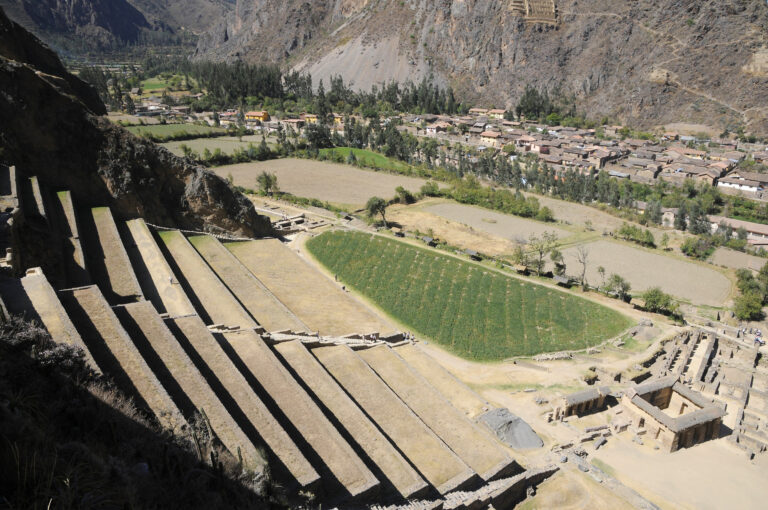
El Valle Sagrado es un territorio que se desarrolla a lo largo del río Vilcanota–Urubamba y unió los pueblos de Pisac y Ollantaytambo.
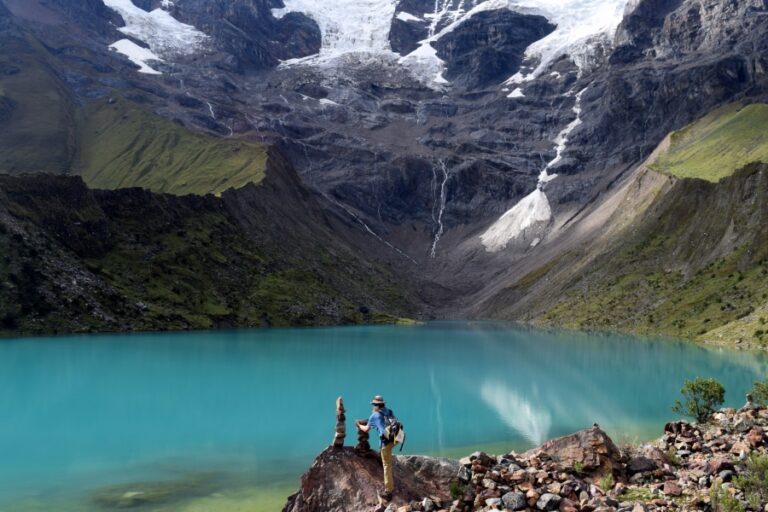
El Tour Laguna Humantay es una mágica experiencia donde se reencontrará con la naturaleza en lo alto de los Andes Peruanos, ademas de apreciar paisajes realmente hermosos cerca al segundo pico más alto
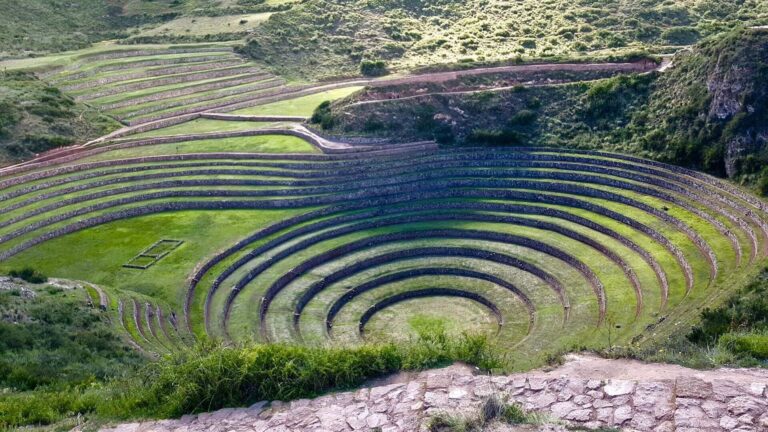
El Valle Sagrado es un territorio que se desarrolla a lo largo del río Vilcanota–Urubamba y unió los pueblos de Pisac y Ollantaytambo.
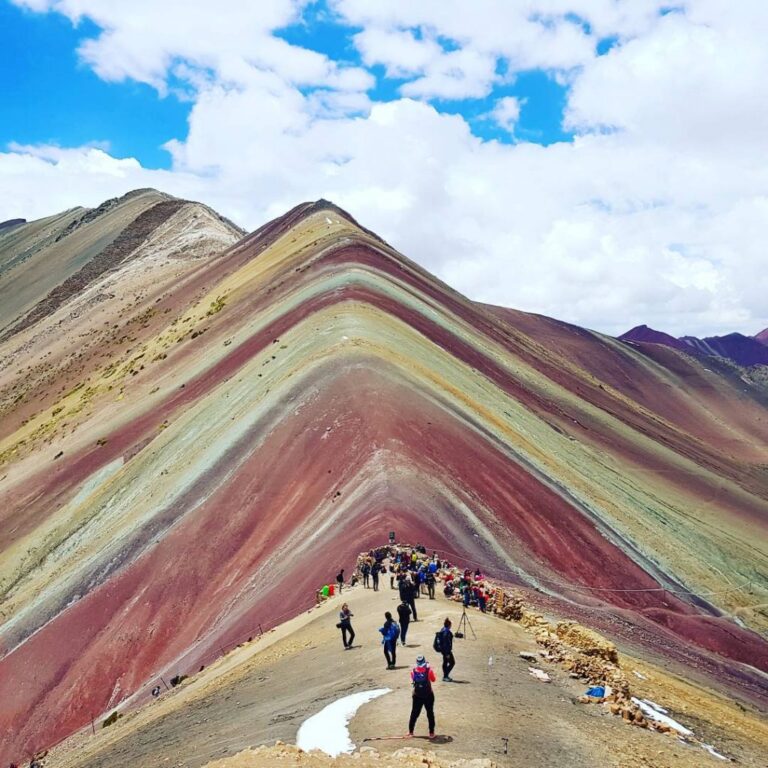
Se trata de una formación montañosa teñida de varias tonalidades producto de la compleja combinación de minerales. Las laderas y la cumbre están teñidas..